The Rise of Crypto Casinos in the UK in 2026: How Blockchain Technology is Transforming Online Gambling, Payment Security, and Player Trust
The Rise of Crypto Casinos in the UK in 2026: How Blockchain Technology is Transforming Online Gambling, Payment Security, and Player Trust
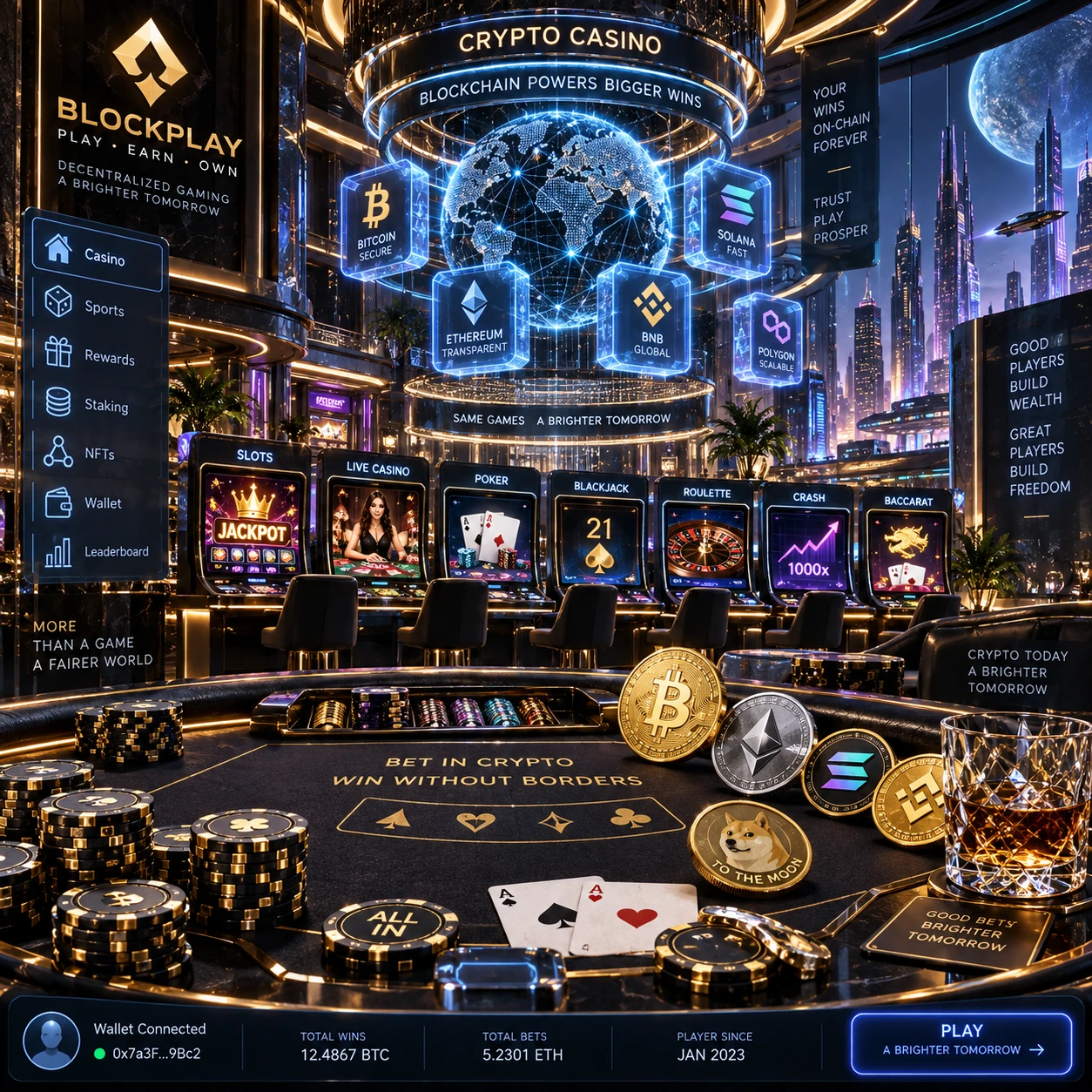
I've spent a fair chunk of this year watching the UK gambling scene shift under my feet. And honestly? It's one of the more interesting changes I've seen since online casinos first went mainstream. Crypto casinos — platforms that let you deposit, play, and withdraw using Bitcoin, Ethereum, or stablecoins — have gone from a niche curiosity to something British players are actively hunting for. The timing isn't random. 2026 brought regulatory clarity, better tech infrastructure, and a lot more crypto literacy among everyday punters, and together those three things are pushing blockchain gambling into the mainstream conversation.
At its core, a crypto casino works much like a traditional one, except the money layer runs on blockchain rails instead of card networks or bank transfers. You connect a wallet, send funds through a blockchain transaction, play games that are often verifiable in ways legacy platforms simply can't match. The appeal isn't just novelty — it's speed, transparency, and in a lot of cases, lower costs.
1.1: Traditional Online Casinos vs. Crypto Casinos
If you've used both types of platforms, the differences become obvious pretty fast. Traditional casinos process withdrawals through banks or e-wallets, which can take anywhere from a few hours to several business days. Crypto casinos, by contrast, often settle payouts within minutes — no intermediary bank sitting in the middle, slowing things down. Fee structures tend to be leaner too, since blockchain transactions skip the chain of processing fees that card networks usually tack on.
Anonymity gets talked about a lot — crypto platforms generally need less upfront personal data for smaller transactions, though UK-licensed sites still run KYC checks for compliance reasons (that part isn't going away, whatever the marketing suggests). Then there's provability, which I'll get into shortly, because it's genuinely one of the more compelling arguments for switching over.
The Blockchain Advantage: Transforming Payment Security
Payment friction has been one of the biggest headaches in online gambling for years. Slow withdrawals, chargeback disputes, banks blocking gambling transactions outright — all of it pushed UK players toward alternatives. Blockchain tech tackles several of these pain points head-on through decentralized ledgers that record every transaction publicly and permanently.
Smart contracts do a lot of the heavy lifting here. Instead of waiting on a casino's finance team to manually approve a withdrawal, a smart contract can trigger an automatic payout the moment certain conditions are met. No manual intervention. No delays from third-party processors. This also cuts chargeback fraud risk, since blockchain transactions are generally irreversible once confirmed — which protects operators and, by extension, keeps platforms financially stable for the players using them.
2.1: Provably Fair Gaming Explained
This is the feature that actually won me over, if I'm being honest. Provably fair systems use cryptographic hashing so players can verify, independently, that a game's outcome wasn't rigged after the fact. Before a round starts, the casino generates a hashed server seed. After the round, you check that seed against the published algorithm to confirm nothing got tampered with. Sounds technical, I know — but in practice it just means you don't have to blindly trust the house. You can check the math yourself. For slots, dice games, and roulette variants, that kind of transparency is something traditional RNG-based casinos just can't offer in the same way.
Why UK Players Are Embracing Crypto Casinos in 2026
A few trends have converged to drive this adoption. First, crypto literacy among UK adults has grown a lot — plenty of players already hold Bitcoin or Ethereum for investment purposes and see gambling with it as a natural next step. Second, there's real, lingering frustration with UK banks that flag or outright block gambling transactions, something crypto deposits sidestep entirely.
Bonus structures play into it too. Crypto casinos frequently offer higher match percentages on deposits and, in some cases, lower wagering requirements than their fiat counterparts — operators save on payment processing costs and pass some of that savings along. Throw in near-instant deposits with none of the card verification hassle, and it's not hard to see why so many UK bettors are making the switch.
Regulatory Landscape and Compliance in the UK
The UK Gambling Commission has had to adapt as crypto gambling has grown. Licensed operators accepting cryptocurrency are still required to run AML and KYC procedures, even if the crypto layer itself feels more private than a bank transfer. 'Responsible crypto gambling' under current 2026 guidelines means operators have to verify identity, monitor for suspicious transaction patterns, and offer the same self-exclusion and deposit limit tools you'd find on traditional platforms.
This matters because pseudo-anonymity doesn't mean a lack of accountability. Reputable UK-facing crypto casinos still sit under licensing frameworks that hold them to consumer protection standards — a distinction that's easy to overlook but genuinely crucial when you're trying to work out if a platform is actually safe to use.
How to Choose a Trustworthy Crypto Casino UK Platform
With so many new platforms launching, picking a reliable one takes a bit of homework. I always start with licensing — confirm the operator holds a recognized license, not just a vague claim buried somewhere in the footer. From there, check game variety, supported cryptocurrencies, and how quickly withdrawals actually process. Not what the marketing copy promises.
Customer support responsiveness and community reputation on forums or review sites tell you a lot too. For anyone exploring where to start, a well-reviewed crypto casino UK platform like TON Ventures offers a useful reference point for evaluating transparency, blockchain integration, and payout reliability before committing funds. Using an established platform as a benchmark makes it a lot easier to spot where newer or less transparent sites fall short.
5.1: Red Flags to Watch Out For
- Unverifiable or missing licensing information
- No provably fair verification tools available
- Overwhelmingly negative or suspiciously absent player reviews
- Vague or constantly shifting withdrawal terms and conditions
- Pressure tactics pushing large deposits before any track record is established
Common Mistakes Players Make with Crypto Gambling
Even experienced crypto users slip up here. Wallet security is the biggest one — reusing passwords, skipping two-factor authentication, keeping large sums sitting in exchange wallets rather than secure personal ones. Volatility is another overlooked risk; drop a large sum into Bitcoin right before a price swing, and your bankroll can shrink or grow independent of anything actually happening at the tables.
Instant transaction speed can work against self-control too. Because withdrawals and deposits happen so fast, it's tempting to chase losses in real time without that natural pause slower banking methods used to force on you. And then there's the fine print on crypto-specific bonuses — wagering requirements, maximum withdrawal caps, game restrictions — which remains one of the most common, and costly, oversights I keep running into.
The Future of Crypto Casinos in the UK
Looking ahead, I expect this space to keep moving fast. NFT-based loyalty rewards, metaverse-style live casino experiences, tighter regulatory frameworks — all of it's on the horizon. By 2027 or 2028, I'd wager crypto gambling shifts from 'alternative option' to genuinely mainstream among UK bettors, especially as younger, crypto-native players become a bigger share of the market.
Blockchain technology has already reshaped how trust, security, and convenience work in online gambling — faster payouts, verifiable fairness, less reliance on friction-heavy banking rails. The UK crypto casino sector in 2026 isn't a passing trend. It's a structural shift, and one worth paying close attention to if you're serious about where online gambling is actually headed.